

▶ Watch here:
SGP Telugu: https://youtu.be/7t3-uoX_9uI
Novadigm Health: https://youtu.be/ZQ7BtuKmEtw
Within the PRISM framework — Polyscientific Regenerative Integrative Systems Medicine — such diseases are interpreted as systems disorders involving immune signaling, metabolism, electrophysiology, and vascular regulation.
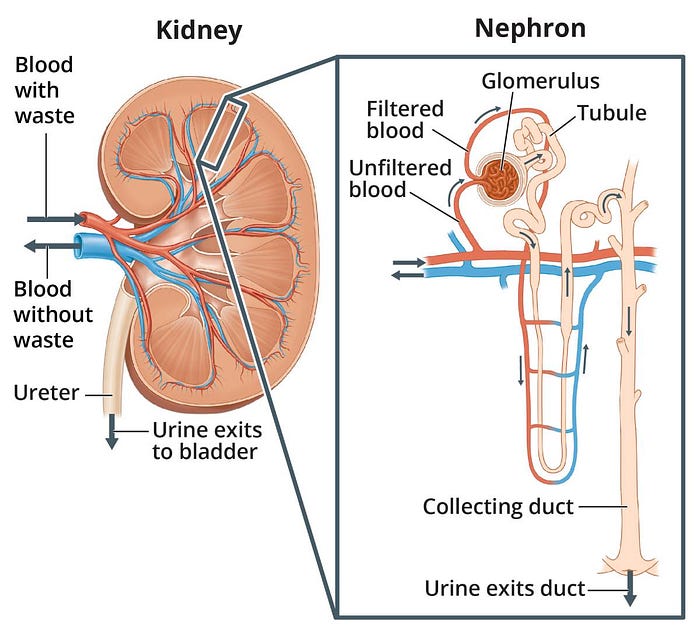
What Is IgA Nephropathy?
IgA nephropathy occurs when the immune system produces abnormal immunoglobulin A (IgA) antibodies.
These antibodies circulate in the bloodstream and eventually deposit within the kidneys, particularly in the glomeruli, the microscopic filtration units responsible for cleansing blood.
When these immune complexes accumulate in the glomeruli, they trigger inflammatory reactions within kidney tissues.
Over time this inflammation damages the delicate filtration structures of the kidneys, gradually reducing their ability to remove waste products and maintain fluid balance.
The resulting condition is known as glomerulonephritis, a form of kidney inflammation.
However, the disease does not behave the same way in every patient. Some individuals experience only mild symptoms such as intermittent blood in urine, while others develop protein leakage, hypertension, and progressive kidney dysfunction.
Understanding this variability requires examining the broader biological systems that regulate immune responses.
Many individuals with IgA nephropathy initially experience minimal symptoms.
The most common early sign is blood in urine, which may appear visibly red or brown during infections or physical stress. In other cases, blood may be detectable only through laboratory testing.